

Eye Movement Desensitization and Reprocessing (EMDR) Therapy
What Is EMDR Therapy?
Eye Movement Desensitization and Reprocessing (EMDR) is an evidence‑based psychotherapy originally developed to help individuals process and heal from traumatic or distressing life experiences. Unlike traditional talk therapy, EMDR focuses on how memories are stored in the brain and helps the nervous system reprocess experiences that remain “stuck,” continuing to cause emotional distress.

When a person experiences trauma or overwhelming stress, the brain may not fully process the event. As a result, memories can remain unintegrated and easily triggered, leading to symptoms such as anxiety, intrusive thoughts, emotional reactivity, or physical sensations. EMDR helps the brain resume its natural healing process so these memories can be stored in a more adaptive and less distressing way.
How EMDR Therapy Works
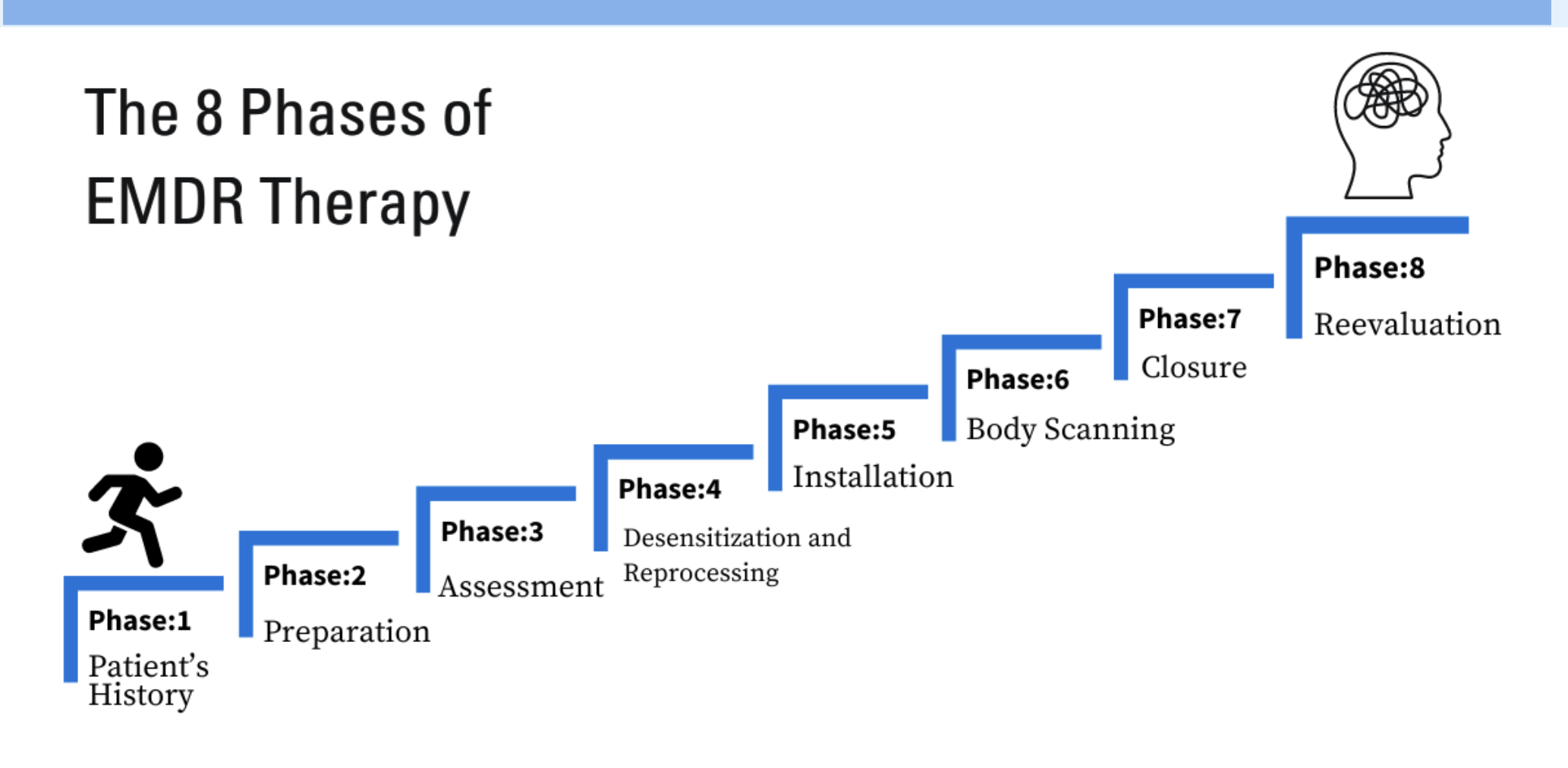
EMDR therapy follows a structured, eight‑phase approach designed to ensure safety, effectiveness, and lasting change. During sessions, clients are guided to briefly focus on a distressing memory while simultaneously engaging in bilateral stimulation—most commonly eye movements, but sometimes alternating sounds or tactile sensations.
This bilateral stimulation helps the brain process the memory differently, reducing its emotional intensity and allowing new, more adaptive beliefs to form.
Importantly, EMDR does not require detailed discussion of the traumatic event. Clients remain fully present and in control throughout the process, and sessions are paced according to individual readiness and comfort.
What EMDR Is Used For
EMDR is widely recognized for its effectiveness in treating trauma‑related conditions and is supported by extensive clinical research. It is commonly used to help individuals experiencing:
Post‑Traumatic Stress Disorder (PTSD)
Anxiety and panic disorders
Depression related to past experiences
Childhood trauma or attachment wounds
Medical trauma or accident‑related trauma
Grief and loss
Performance anxiety
Phobias
Disturbing memories or negative self‑beliefs (e.g., “I’m not safe,” “I’m not good enough”)
EMDR can also be helpful for individuals who feel stuck in patterns that have not responded fully to traditional talk therapy.
Benefits of EMDR Therapy
Many clients find EMDR to be a powerful and efficient form of treatment. Benefits may include:
Reduced emotional distress linked to past events
Decreased reactivity to triggers
Improved emotional regulation
Relief from intrusive thoughts or memories
Increased sense of calm and safety
More adaptive beliefs about oneself and the world

Because EMDR works directly with the brain’s natural processing systems, changes are often experienced as lasting and deeply integrated rather than temporary or surface‑level.
Is EMDR Right for You?
EMDR therapy may be a good fit if you feel affected by past experiences, notice emotional reactions that seem disproportionate or automatic, or feel stuck despite insight and effort. A consultation can help determine whether EMDR is appropriate and how it might fit into your overall treatment plan.
If you are interested in learning more about EMDR therapy or exploring whether it is right for you, please contact our office to schedule a consultation.
